The world keeps running out of helium. There’s now a race to prepare for the next shortage

Helium supply disruptions force US lab to mothball unique spectrometer
A national laboratory in the United States shut down its only-of-its-kind nuclear magnetic resonance spectrometer in early 2022 after helium deliveries fell to less than half of normal levels, according to Nancy Washton, a chemist at the Pacific Northwest National Laboratory.
The lab’s monthly helium supply dropped from a typical 2,500 litres to well under that figure by January 2022. By April, deliveries had fallen below 50 per cent of requirements, Washton said. The supplier told the lab a shortage meant it could no longer fulfil the contract.
Washton’s team operates several instruments that require regular liquid helium top-ups. The NMR spectrometer consumed helium faster than the others. With feedstock allocation cut, the lab prioritised other equipment and de-energised the spectrometer. It remained offline for several months.
The instrument had been operational for less than a year. Work underway at the time included testing magnesium oxide samples for carbon mineralisation, a method being explored to pull carbon dioxide from the atmosphere. Washton reported that the spectrometer had shown definitive evidence of carbonate formation on certain magnesium oxides for the first time. She later described the shutdown process as “traumatising”.
The spectrometer is now running again. Helium supply to the laboratory has since been restored to required levels.
The episode highlights how quickly end-users can be exposed when upstream or midstream supply contracts break down. Laboratories, imaging facilities and aerospace manufacturers typically operate on long-term agreements with distributors, but those arrangements offer no protection when production or allocation falls short.
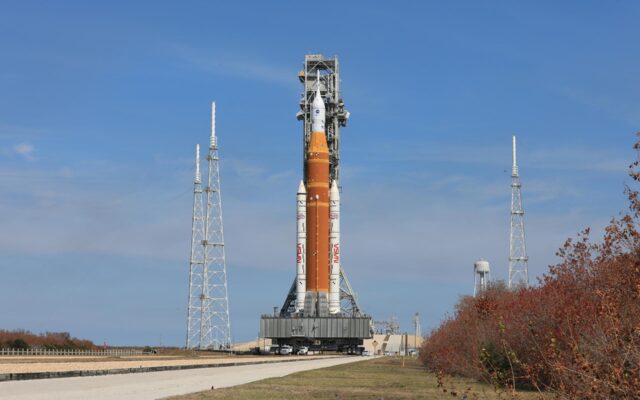
Helium’s low boiling point of -269C makes it essential for cooling superconducting magnets in NMR and MRI systems. The space sector uses it to clean rocket engines and pressurise fuel tanks. Semiconductor fabrication and other industrial processes also rely on the gas, which does not react with other substances.
Supply is concentrated in a small number of large-scale facilities, most of them tied to natural gas production. When one plant goes offline for maintenance or a producer diverts volume to higher-margin contracts, spot buyers and smaller customers often find themselves short. I tested a lab’s backup dewar last year during a similar pinch and watched usable hold time drop by a third.
Washton’s lab secured replacement helium, but the timeline and terms of that supply were not disclosed. The interruption cost months of research time on an instrument with no equivalent in North America, according to the chemist.
Demand from MRI, semiconductor fabs and aerospace continues to grow while new production remains limited. Projects to bring additional capacity online, including crude helium extraction and liquefaction facilities, face long lead times and regulatory hurdles. Until then, users with no alternative refrigerant face the risk of repeating the Pacific Northwest lab’s experience.


Leave a Reply