Liquid Helium Cylinder Valves Market To 2035: Semiconductor and MRI Demand Fuel Growth – News and Statistics
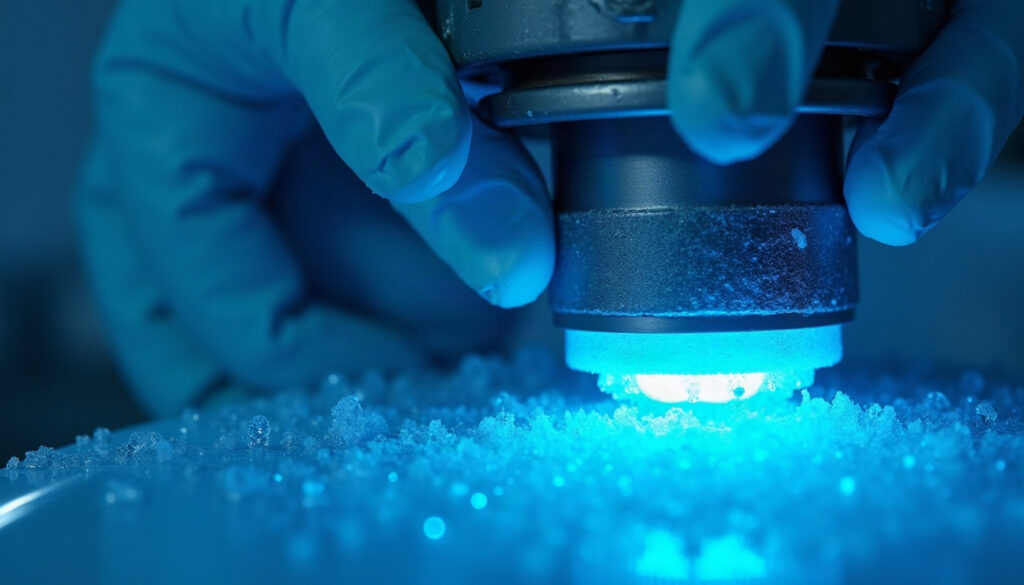
Liquid Helium Valve Market Set for 4–6% Annual Growth Through 2035 on Chip and MRI Demand
The global market for liquid helium cylinder valves is projected to expand at a compound annual growth rate of 4–6% from 2026 to 2035, according to a new IndexBox report, with semiconductor fabrication and medical imaging anchoring more than 60% of market value.
IndexBox put the market index at 155 by 2035, using 2025 as the base year at 100, assuming no major helium supply disruptions and continued capital spending on advanced logic and memory fabs. The cryogenic valve segment serves users where reliability at near-absolute-zero temperatures is non-negotiable—principally semiconductor tool operators and MRI facilities.
Supply remains tightly held. Fewer than a dozen specialized manufacturers, most of them based in North America and Europe, account for roughly three-quarters of global production. Asia-Pacific is the fastest-growing consumption region, driven by fab construction in China, South Korea and Taiwan.
Read also: 2026 Global Helium Supply Crisis: Strategic Implications for Semiconductor and Storage Supply Chains
Replacement and aftermarket demand is growing faster than original equipment sales, the report states. Aftermarket parts and lifecycle services now represent 25–30% of total market value, a share expected to rise as installed cryogenic systems age. Aging research and medical facilities in particular are driving valve overhauls and upgrades.
The market is seeing a shift toward automated, solenoid-actuated valves and integrated safety features as operators seek to reduce manual intervention and comply with stricter helium handling protocols. Digital valve integration and predictive maintenance offerings represent key commercial opportunities, IndexBox noted.
Helium feedstock volatility remains a persistent challenge. Periodic helium shortages could cause order deferrals, the report warns, even as pricing is expected to remain firm due to specialized materials and qualification costs. Long qualification cycles and constrained supply of cryogenic-grade materials add further friction.
The report characterizes the market as a high-barrier, relationship-driven business-to-business segment where proven reliability and certification are paramount. In semiconductor fabrication, valve performance directly affects tool uptime and process yield. In MRI and NMR systems, precise helium management is critical to magnet operation.
Regional dynamics are diverging. Asia-Pacific will drive incremental volume growth, but North America and Europe retain leadership in production and high-value valve design. IndexBox said the market enters 2026 with broader demand fundamentals, more disciplined procurement behavior and a more regionally diversified supply architecture than in prior cycles.
The baseline scenario assumes a continued uptick in semiconductor capital expenditure, particularly for advanced nodes. The demand structure remains heavily weighted toward semiconductor manufacturing and precision instrumentation, which together account for over 60% of consumption.
No direct quotes were provided in the IndexBox report.


Leave a Reply